Work/CUTE Tokamak
Structure, current paths and vacuum for a university fusion device.
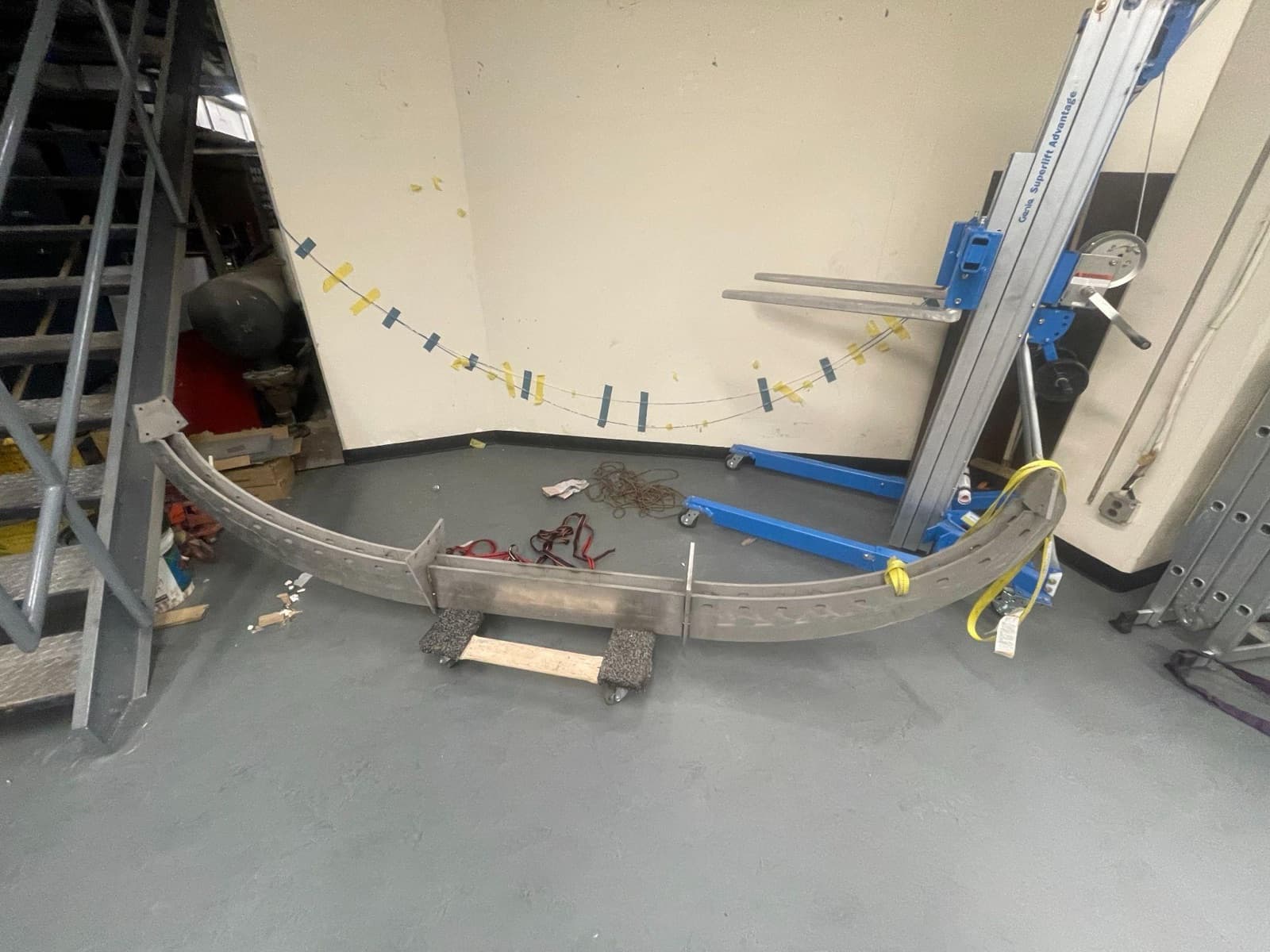
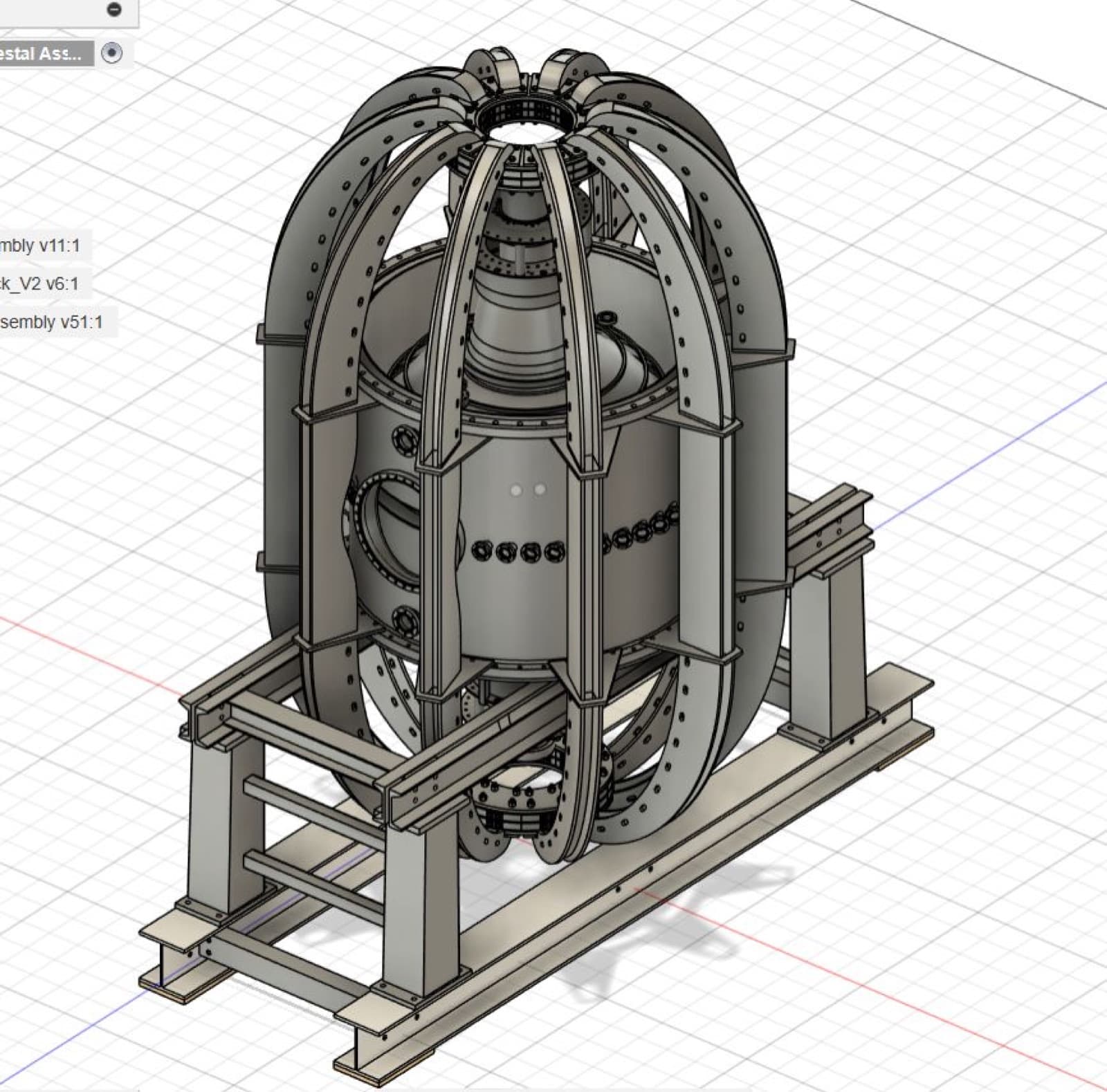
Jake's Fusion360 assembly of Columbia's CUTE tokamak: twelve toroidal field legs run from the crown to a lower ring around the vacuum vessel, the center stack carries every TF cable in series, and the legs were checked by FEA under a 1,000 N static load. Energized, current runs through the legs one after another, up to the ~10 kA his 4-point tests reached; the plasma glow is illustrative.
Overview
CUTE is a compact tokamak: a ring of toroidal field (TF) legs wraps a vacuum vessel, a crown ties them together on top and a steel pedestal carries the lot. The TF legs see large shear and tensile loads from their own magnetic fields, and the cables that feed them have to carry the same current in series.
I owned the CAD of the whole machine and the parts that carry load and current through it.
Tools
- Fusion 360
- FEA
- CNC mill
- 4-point testing
- When
- Feb 2025 to now
- Where
- Columbia Plasma Physics Lab · PI Carlos Paz-Soldan
- Role
- Manufacturing Engineer
structure.
I modeled the whole machine, then found where it would give.
Built the full Fusion 360 assembly: crown, TF legs, pedestal and vacuum vessel, to check the TF legs against the shear and tensile forces their fields generate.
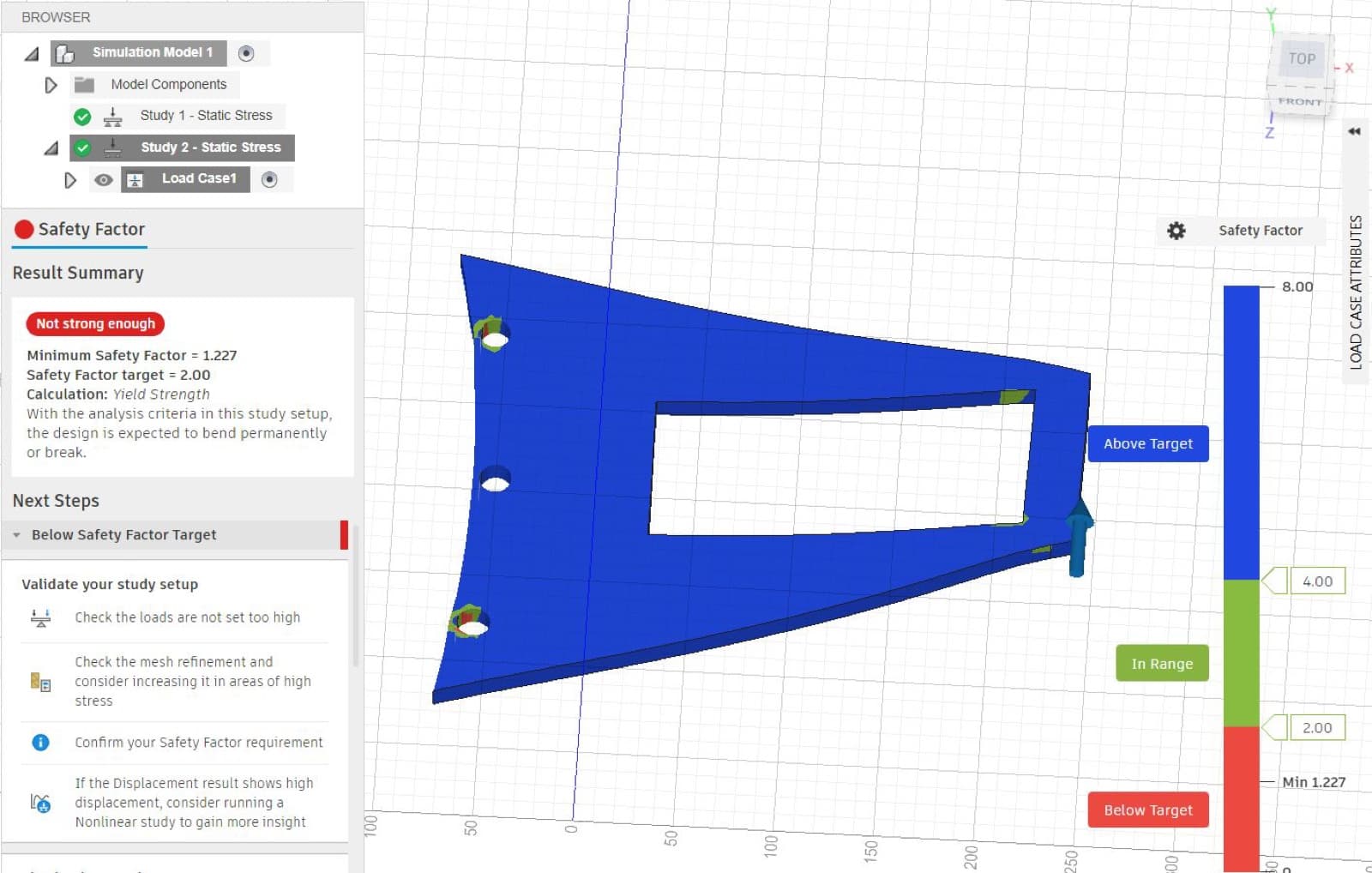
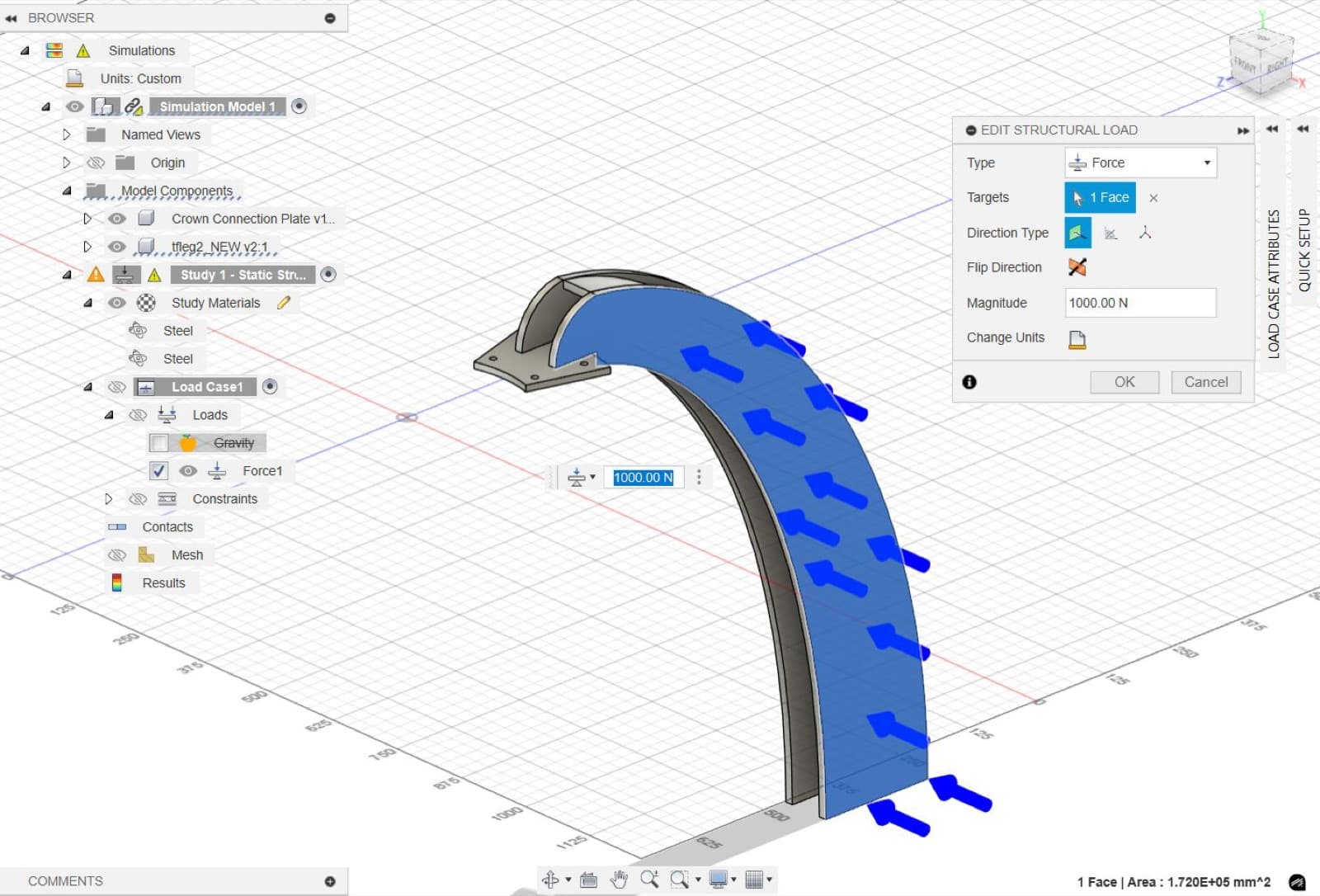
Ran FEA on the TF legs under a 1000 N static load distributed along the structure, and found the structural weak points of the vacuum vessel.
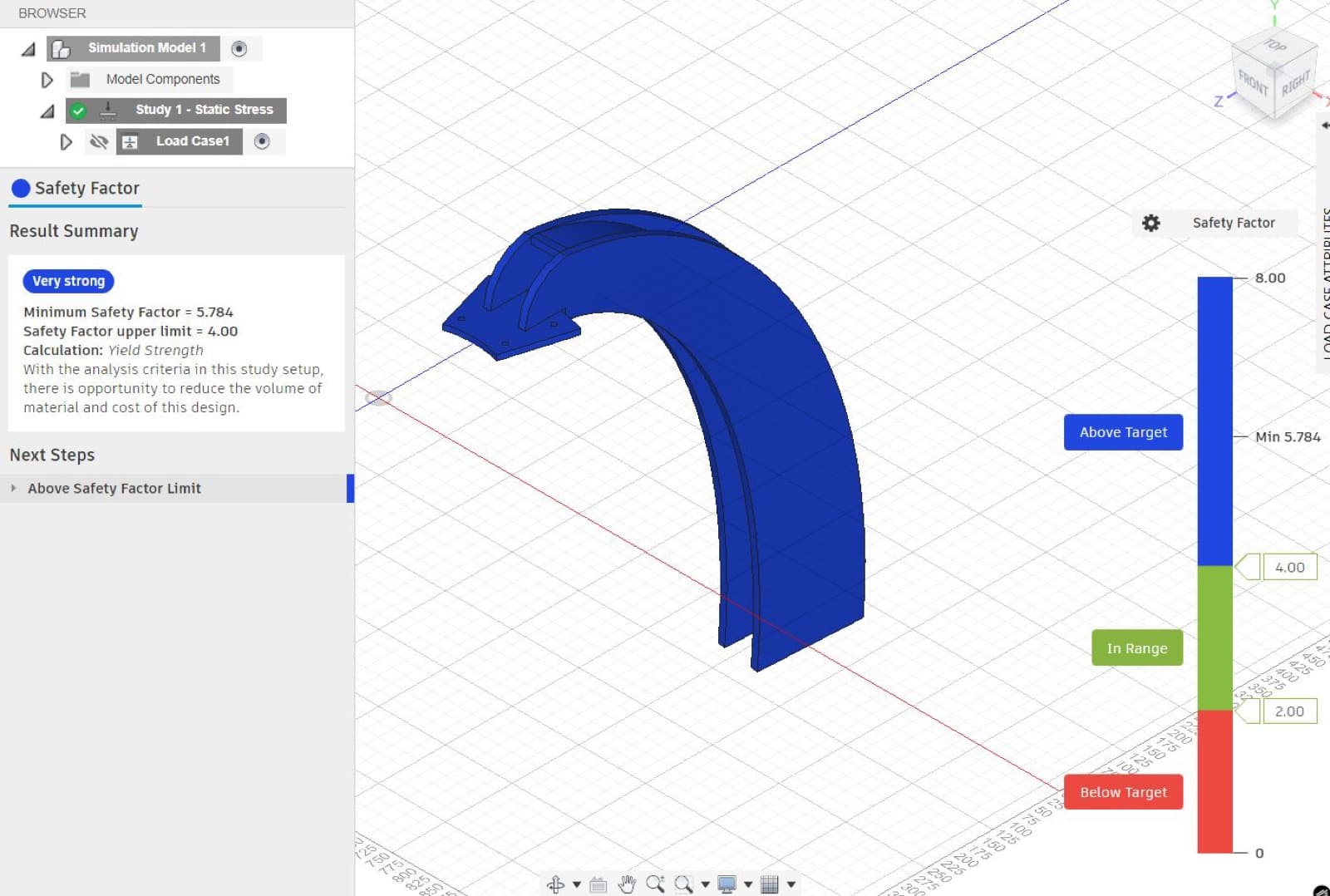
current.
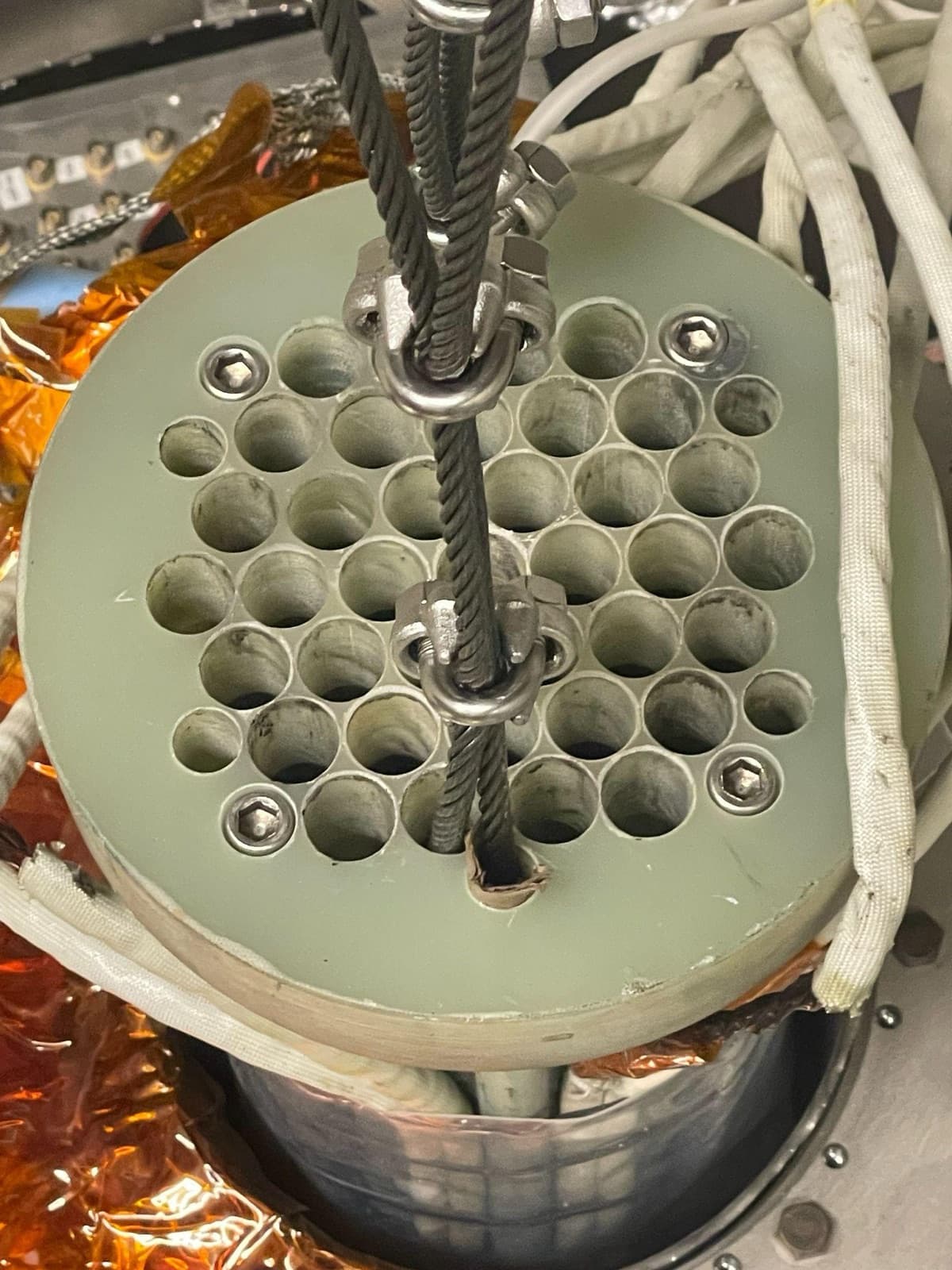
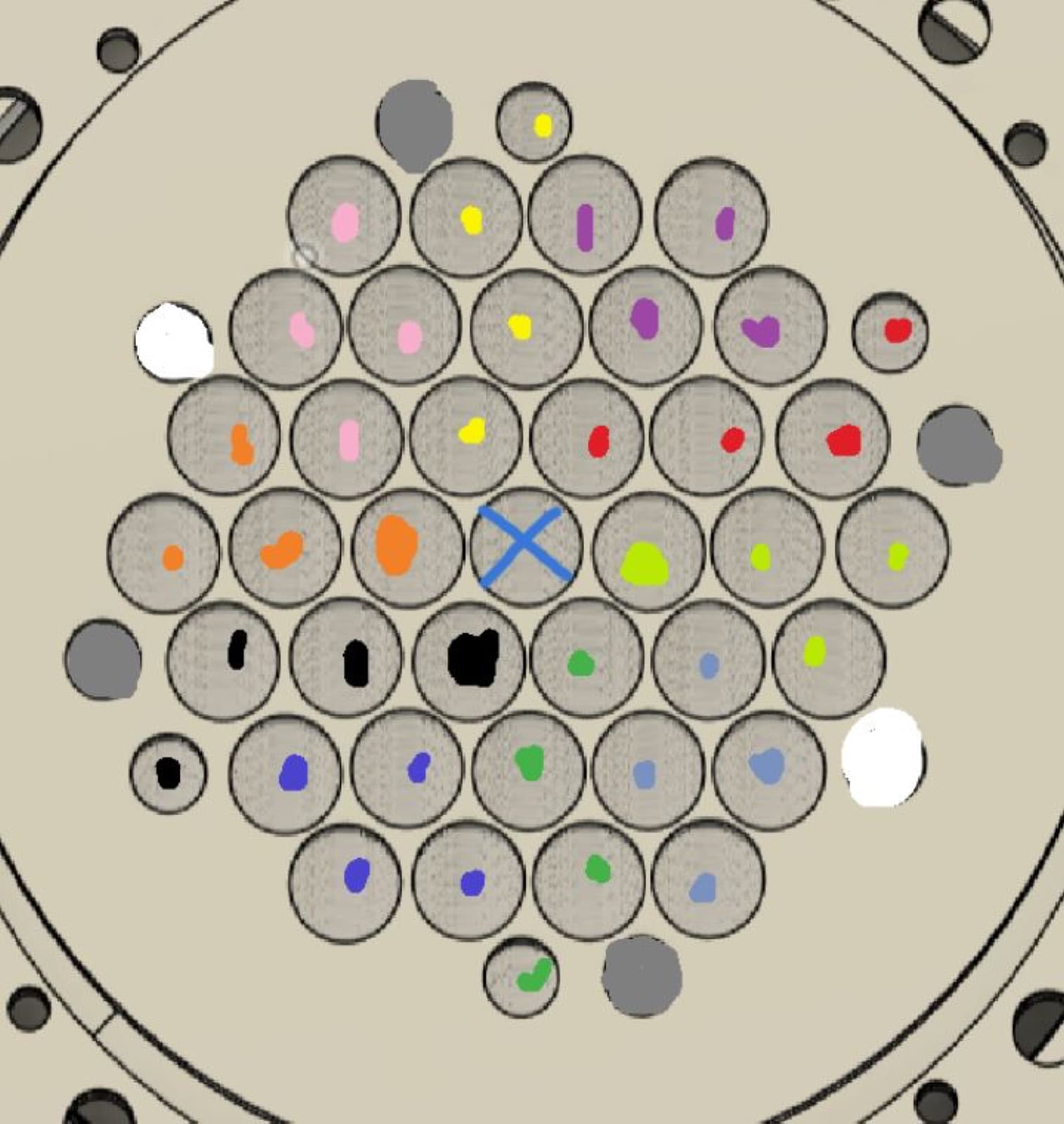
Every TF cable carries the same current, in series.
Mapped every current-carrying cable through the center stack so they all run in series, placed by average radial distance for plasma confinement symmetry. The model was approved and placement finalized.
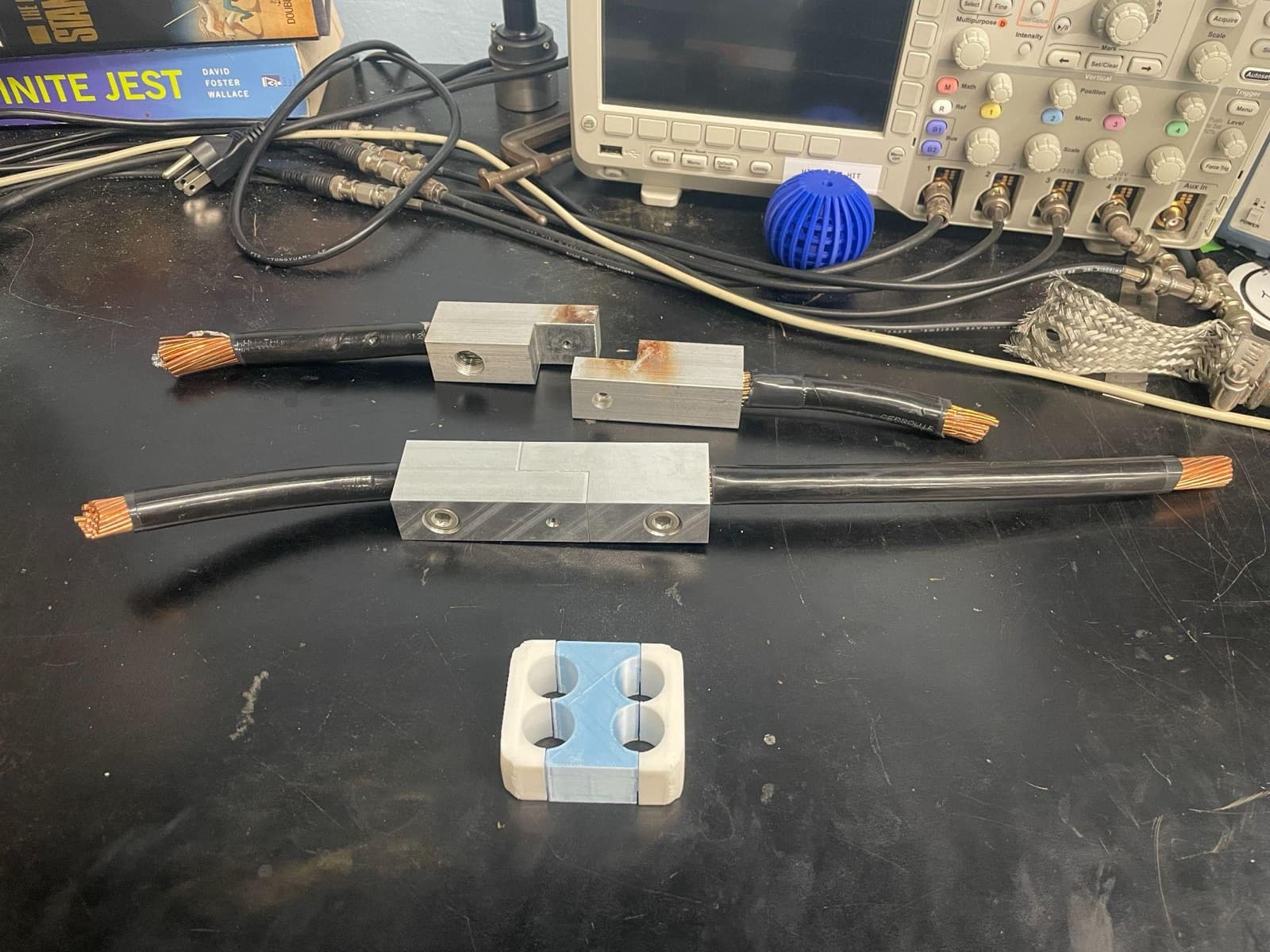
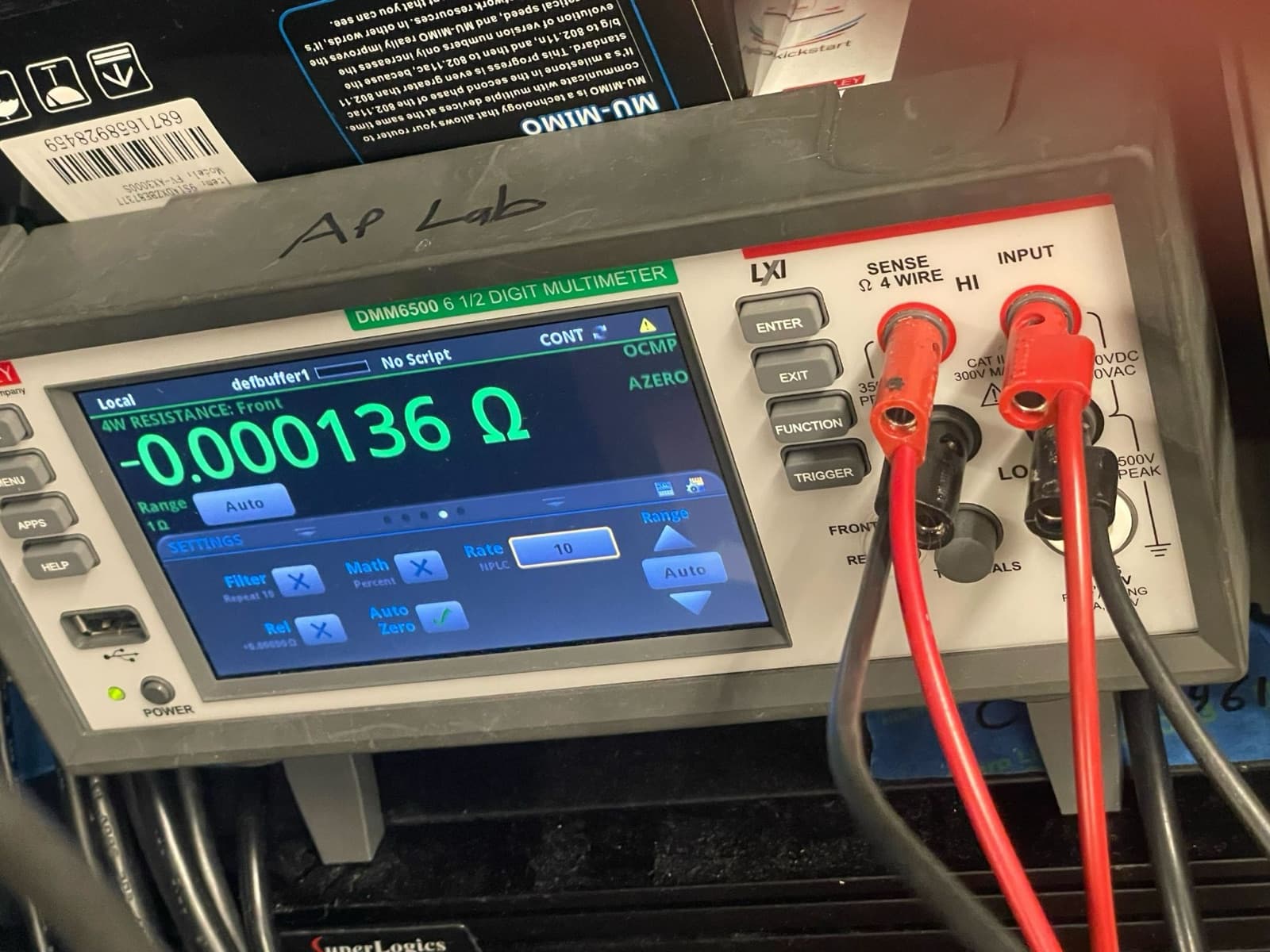
Solved a wire gauge mismatch by splicing with CNC machined aluminum connectors, then ran 4-point voltage tests to prove them at the order of 10,000 A.
Rewired capacitor banks for the high-voltage supply and routed the power unit through conduit and cable trays.
next.
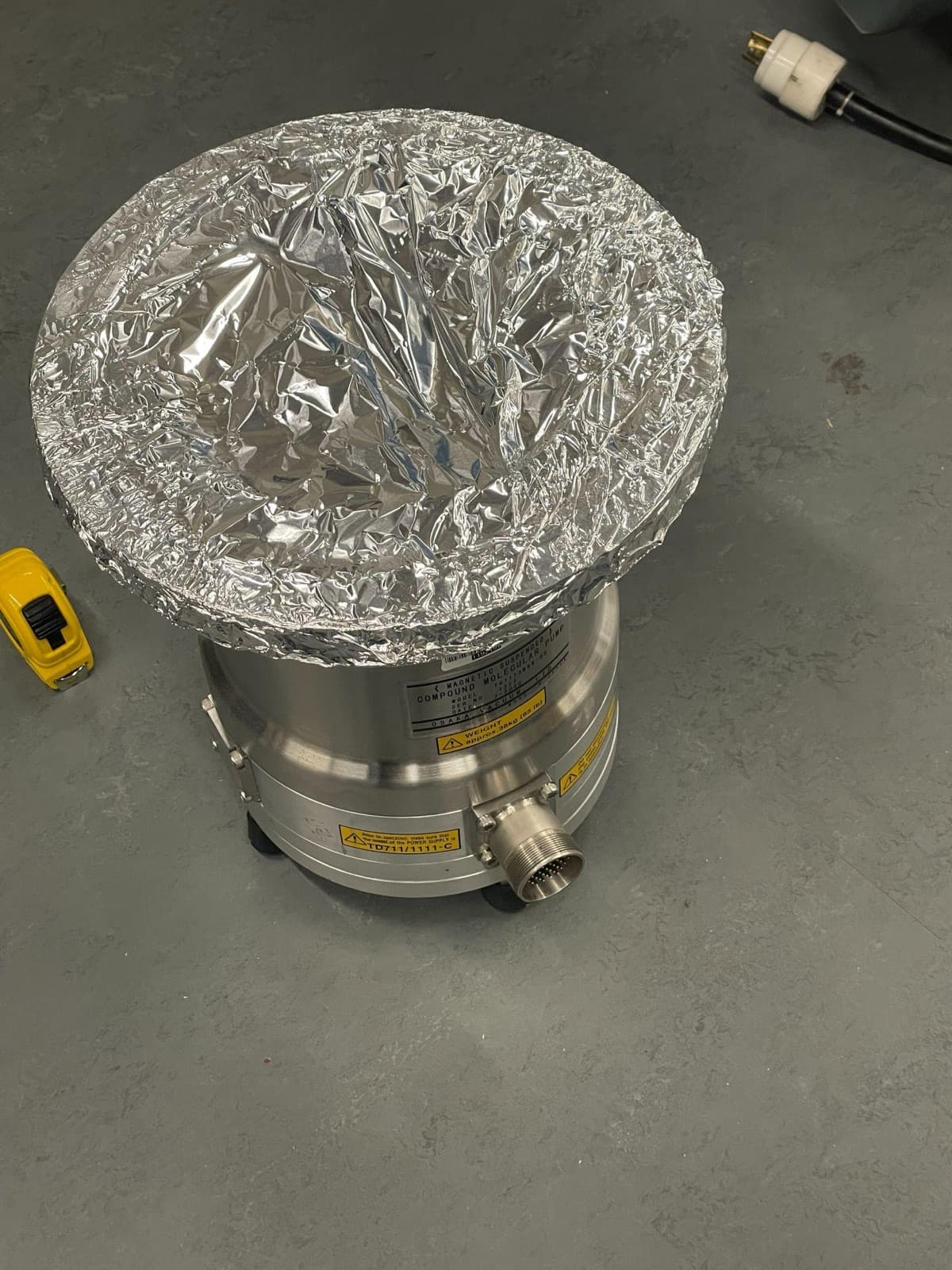
The vacuum pump needs a place to sit.
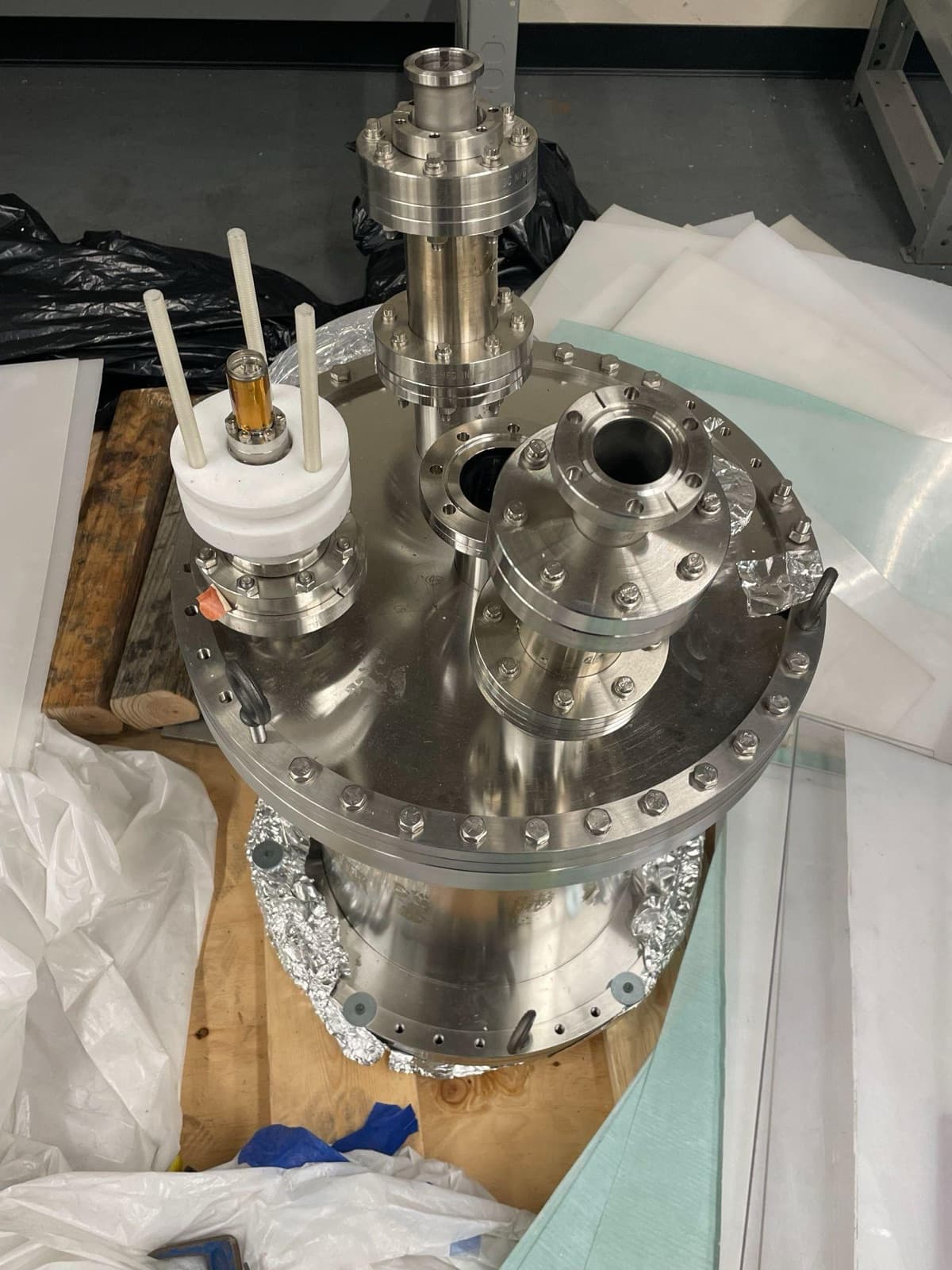
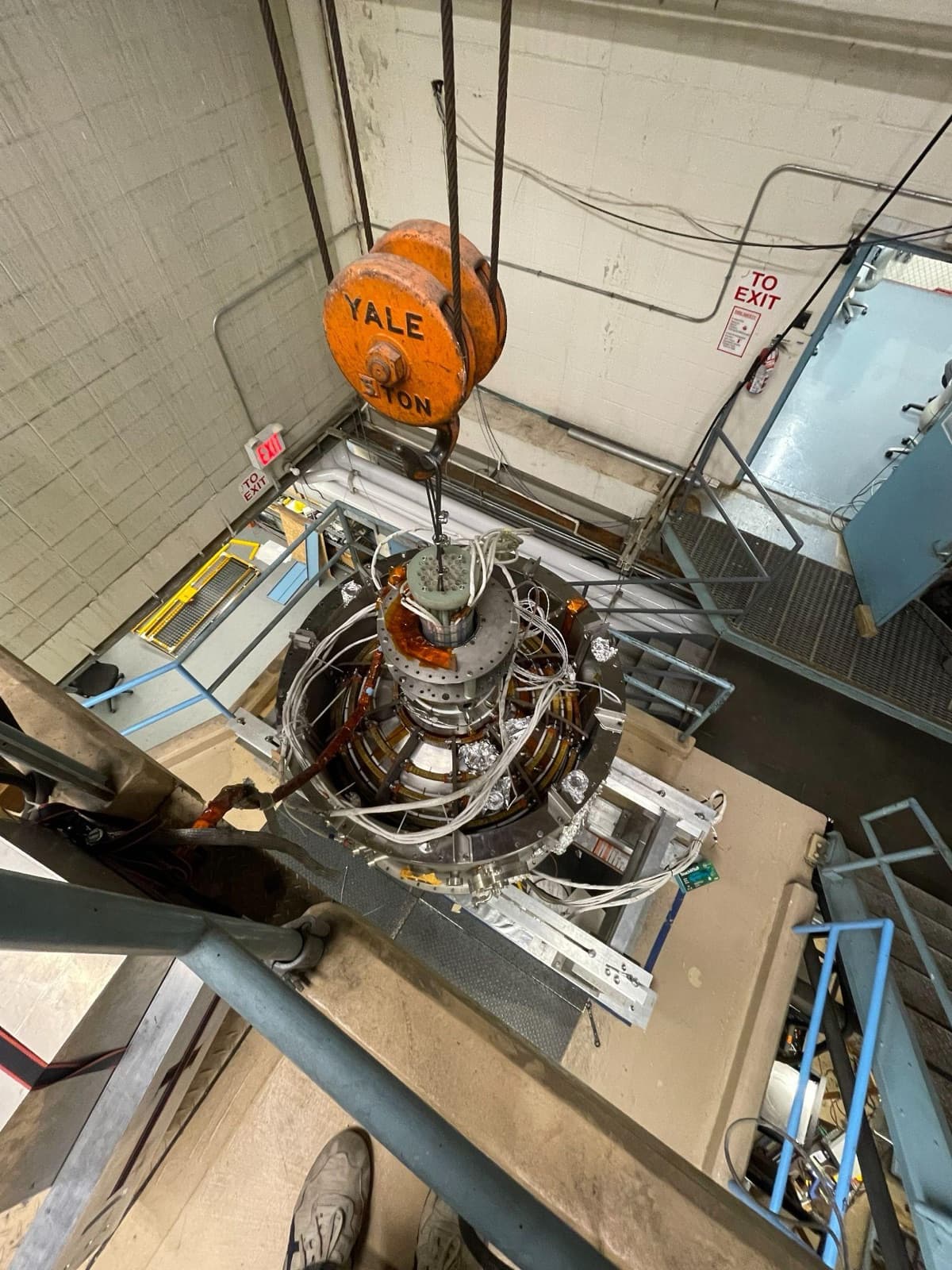
Mapping the vacuum pump's location, a rough Fusion fit-check to orient the crane, then designing and analyzing the pump support.
from the bench.